

Cyber Security Step by Step:
In an increasingly connected world, the importance ofBeginner For Cybersecurity cyber security cannot be overstated. With the rise of digital threats such as malware, ransomware, and phishing, individuals and organizations must take proactive measures to protect their valuable data and systems. This step-by-step guide will provide you with everything you need to know about implementing cyber security at home or in the workplace, from understanding the basics to taking actionable steps.
What is Cyber Security?
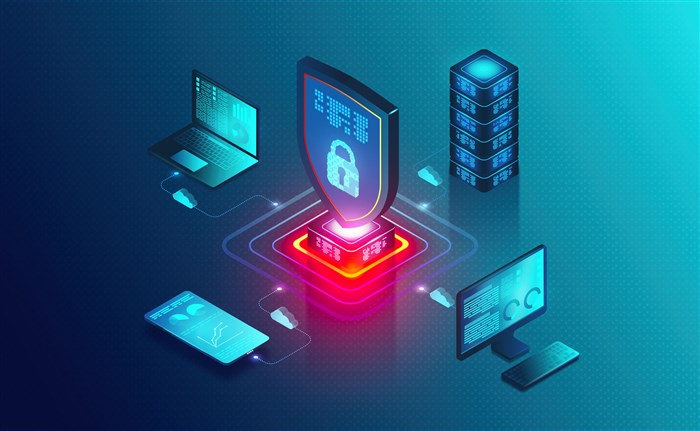
Cyber security refers to the protection of computer systems, networks, mobile devices, and data from unauthorized access, cyberattacks, and damage. It involves using a combination of technologies, processes, and user awareness to safeguard sensitive information and ensure the continuity of digital services.Beginner For Cybersecurity
At the heart of cyber security is the CIA Triad:
- Confidentiality – Ensuring that data is only accessible to authorized individuals.
- Integrity – Protecting data from being altered or corrupted by unauthorized users.
- Availability – Ensuring that data and systems are available when needed.
- Beginner For Cybersecurity
Cyber security isn’t just about preventing cyberattacks but also preparing for them in case they happen.
Why Cyber Security Matters

Cyber security is crucial for several reasons:
Common Cyber Security Threats
Before we dive into the step-by-step implementation, it’s essential to understand the common threats you are defending against:Beginner For Cybersecurity
- Malware: Malicious software like viruses, worms, and Trojans designed to steal data or damage systems.
- Phishing: Fraudulent attempts to trick individuals into revealing personal information through fake emails, messages, or websites.
- Ransomware: A type of malware that locks or encrypts files, demanding payment to restore access.
- Denial-of-Service (DoS): Attackers overwhelm a network or website with traffic, causing disruptions.
- SQL Injection: A type of attack where malicious code is inserted into a database through an insecure application.
- Man-in-the-Middle (MitM) Attacks: Hackers intercept and manipulate communication between two parties.
- Insider Threats: Employees or contractors who misuse their access to harm the organization.
- Beginner For Cybersecurity
Cyber Security Step by Step: How to Implement Strong Defenses
Step 1: Identify and Assess Your Assets
The first step in cyber security is identifying and understanding your assets. What are you protecting, and where are your vulnerabilities?
Actions:
- Inventory Assets: Create a comprehensive list of all digital assets—data, hardware, software, and network resources.
- Assess Value: Determine which assets are most critical, such as customer data, financial systems, or intellectual property.
- Identify Vulnerabilities: Perform risk assessments to uncover weaknesses like outdated software, unsecured devices, or weak passwords.Beginner For Cybersecurity
Tools:
- Risk Assessment Tools: NIST Cybersecurity Framework or Risk Watch.
- Vulnerability Scanning: Nessus or Qualys
Step 2: Develop Cyber Security Policies
Establish clear cyber security policies that guide your organization’s actions. These policies should cover everything from password management to device usage.Beginner For Cybersecurity
Actions:
- Password Management: Create policies for strong, unique passwords and implement password managers.
- Access Control: Limit access based on roles, ensuring that employees only have access to the data they need.
- Device Usage: Define guidelines for using company devices, such as encryption and remote wipe capabilities for mobile devices.Beginner For Cybersecurity
Tools:
- Password Management: LastPass, 1Password
- Access Control: Okta, Active Directory
- Beginner For Cybersecurity
Step 3: Secure Your Network
A secure network is the backbone of any strong cyber security strategy. Network security tools help protect your system from unauthorized access and data breaches.
Actions:
- Firewalls: Set up firewalls to block unauthorized access to your internal network.
- Intrusion Detection Systems (IDS): Use IDS to detect and respond to suspicious activities.
- Virtual Private Network (VPN): Use VPNs for secure remote access to your organization’s network.
- Beginner For Cybersecurity
Tools:
- Firewall: pfSense, Cisco ASA
- IDS: Snort, Suricata
- VPN: NordVPN, Cisco AnyConnect
- Beginner For Cybersecurity
Step 4: Implement Strong Authentication
Strong authentication is key to preventing unauthorized access to sensitive data and systems.
Actions:
- Multi-Factor Authentication (MFA): Enable MFA for critical accounts like email, banking, and cloud services.
- Role-Based Access Control (RBAC): Ensure that only authorized users can access sensitive data based on their role within the organization.
- Beginner For Cybersecurity
Tools:
- MFA: Google Authenticator, Duo Security
- RBAC: Okta, Azure Active Directory
Step 5: Encrypt Sensitive Data

Data encryption ensures that sensitive information is unreadable to unauthorized individuals, even if it’s intercepted.Beginner For Cybersecurity
Actions:
- Encrypt Data at Rest: Use encryption tools to protect data stored on hard drives, servers, and cloud storage.
- Encrypt Data in Transit: Use SSL/TLS protocols to encrypt data transmitted over the internet.
Tools:
- Disk Encryption: BitLocker, VeraCrypt
- SSL/TLS: Let’s Encrypt, DigiCert
Step 6: Backup and Disaster Recovery
Ensure that your data is regularly backed up and that you have a disaster recovery plan in place to minimize downtime in the event of a cyberattack.
Actions:
- Automated Backups: Schedule regular backups of critical data and systems to offline or cloud-based storage.
- Test Disaster Recovery: Regularly test your recovery plans to ensure business continuity during and after an attack.
Tools:
- Backup Solutions: Acronis, Veeam
- Disaster Recovery: Datto, Zerto
Step 7: Monitor for Threats and Anomalies
Continuous monitoring is crucial to detect threats before they cause damage.
Actions:
- Security Information and Event Management (SIEM): Implement SIEM systems to monitor network traffic and detect suspicious activities.
- Regular Audits: Conduct periodic security audits to identify vulnerabilities and weaknesses in your defense systems.
Tools:
- SIEM: Splunk, SolarWinds
- Audit Tools: Nessus, OpenVAS
Step 8: Train Employees and Raise Awareness
Human error is often the weakest link in cyber security. Regular training can help reduce the risks posed by phishing, social engineering, and other human-based threats.
Actions:
- Phishing Simulations: Regularly run phishing simulation campaigns to teach employees how to spot malicious emails.
- Security Best Practices: Teach employees about the importance of using strong passwords, recognizing phishing attempts, and reporting suspicious activities.
Tools:
- Training Programs: KnowBe4, Infosec IQ
- Phishing Simulations: PhishMe, Cofense
Step 9: Develop an Incident Response Plan
Even with the best preventative measures in place, incidents can still occur. An incident response plan helps ensure a swift and effective response to minimize damage.
Actions:
- Create a Response Team: Identify key personnel who will lead the response efforts during an attack.
- Define Procedures: Document the steps to take during different types of incidents (e.g., data breach, ransomware attack).
- Test the Plan: Regularly simulate cyberattacks to ensure that your team can respond effectively.
Tools:
- Incident Response: PagerDuty, Splunk
- Playbooks: TheHive, Swimlane
Step 10: Review and Improve Security Measures
Cyber security is an ongoing process. Continuously reviewing and improving your security measures will ensure that you stay ahead of evolving threats.
Actions:
- Penetration Testing: Regularly perform penetration testing to identify and fix vulnerabilities.
- Stay Updated: Follow industry trends, subscribe to security newsletters, and attend conferences to stay up-to-date on new threats and technologies.
Tools:
- Penetration Testing: Kali Linux, Metasploit
- Security Updates: CVE databases, Exploit-DB
Conclusion: The Future of Cyber Security
Cyber security is a continuously evolving field. As technology advances, so do the techniques used by cybercriminals. However, by following a step-by-step approach to cyber security, you can significantly reduce the risk of data breaches and other cyberattacks. Implementing strong security measures, training employees, and keeping systems updated will help you build a robust defense against ever-growing threats.
Remember, cyber security isn’t a one-time effort. It’s a long-term commitment to protecting your digital assets, and the more proactive you are, the less likely you are to fall victim to attacks.
SEO Keywords Included:
- Cyber Security Step by Step
- Cyber Security Best Practices
- How to Protect Data Online
- Cyber Security Measures
In an increasingly connected world, the importance of cyber security cannot be overstated. With the rise of digital threats such as malware, ransomware, and phishing, individuals and organizations must take proactive measures to protect their valuable data and systems. This step-by-step guide will provide you with everything you need to know about implementing cyber security at home or in the workplace, from understanding the basics to taking actionable steps.

Conclusion: The Future of Cyber Security
Cyber security is a continuously evolving field. As technology advances, so do the techniques used by cybercriminals. However, by following a step-by-step approach to cyber security, you can significantly reduce the risk of data breaches and other cyberattacks. Implementing strong security measures, training employees, and keeping systems updated will help you build a robust defense against ever-growing threats.
Remember, cyber security isn’t a one-time effort. It’s a long-term commitment to protecting your digital assets, and the more proactive you are, the less likely you are to fall victim to attacks.
SEO Keywords Included:
- Cyber Security Step by Step
- Cyber Security Best Practices
- How to Protect Data Online
- Cyber Security Measures